
أَلِف
Alif · a
សំឡេងដូច អា
ا ـا
រៀនអារ៉ាប់
Opening the book…
No internet connection
មិនមានការតភ្ជាប់អ៊ីនធឺណិតទេ
Auto-retry in 5s
 Rean Arabរៀនអារ៉ាប់
Sign in
រៀនភាសាអារ៉ាប់ · تعلّم العربية
Learn Arabic vocabulary with pictures, audio pronunciation and Khmer translations — 333 words and letters so far. Pick a topic below and tap to hear each word.
Start with the alphabet Arabic alphabetالأبجدية العربيةអក្ខរក្រមអារ៉ាប់28 letters
 Colorsألوانពណ៌15 words
 Numbersأرقامលេខ21 words
 Islamic daysأيام إسلاميةថ្ងៃឥស្លាម7 words
 Islamic monthsأشهر إسلاميةខែឥស្លាម12 words
 Gregorian monthsالأشهر الميلاديةខែសុរិយគតិ12 words
 Seasons & weatherالفصول والطقسរដូវ និងអាកាសធាតុ21 words
 Animalsحيواناتសត្វ51 words
 Fruitsفواكهផ្លែឈើ103 words
 Human bodyجسم الإنسانរាងកាយមនុស្ស33 words
 People & familyالناس والأسرةមនុស្ស និងគ្រួសារ30 words
Arabic is written from right to left and has 28 letters. There are no capital letters, but most letters change shape a little depending on whether they come at the start, middle or end of a word. Learn each letter's name and sound first.
Tip: Tap the speaker on each card, then repeat the sound out loud. The small Arabic line under each card shows how the letter looks at the start · middle · end of a word.
أَلِف
Alif · a
សំឡេងដូច អា
ا ـا

بَاء
Baa · b
សំឡេងដូច ប
بـ ـبـ ـب

تَاء
Taa · t
សំឡេងដូច ត
تـ ـتـ ـت
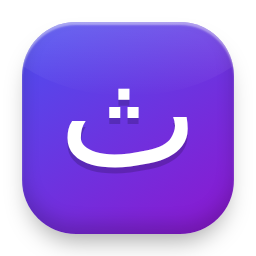
ثَاء
Thaa · th (think)
មិនមានក្នុងភាសាខ្មែរ
ثـ ـثـ ـث

جِيم
Jeem · j
សំឡេងដូច ជ
جـ ـجـ ـج

حَاء
Ḥaa · ḥ (strong h)
មិនមានក្នុងភាសាខ្មែរ
حـ ـحـ ـح
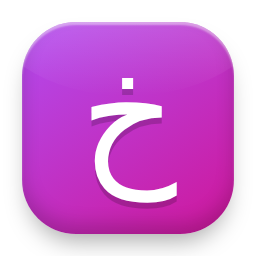
خَاء
Khaa · kh
មិនមានក្នុងភាសាខ្មែរ
خـ ـخـ ـخ

دَال
Daal · d
សំឡេងដូច ដ
د ـد
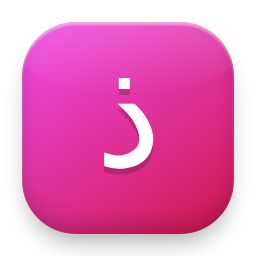
ذَال
Dhaal · dh (this)
មិនមានក្នុងភាសាខ្មែរ
ذ ـذ

رَاء
Raa · r (rolled)
សំឡេងដូច រ
ر ـر
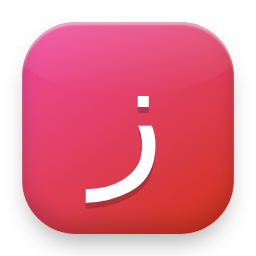
زَاي
Zaay · z
សំឡេងដូច ហ្ស
ز ـز
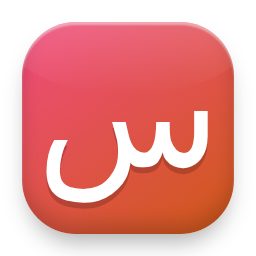
سِين
Seen · s
សំឡេងដូច ស
سـ ـسـ ـس
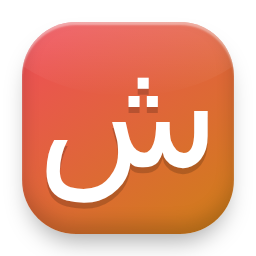
شِين
Sheen · sh
មិនមានក្នុងភាសាខ្មែរ
شـ ـشـ ـش

صَاد
Ṣaad · ṣ (heavy s)
មិនមានក្នុងភាសាខ្មែរ
صـ ـصـ ـص
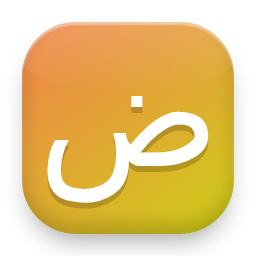
ضَاد
Ḍaad · ḍ (heavy d)
មិនមានក្នុងភាសាខ្មែរ
ضـ ـضـ ـض
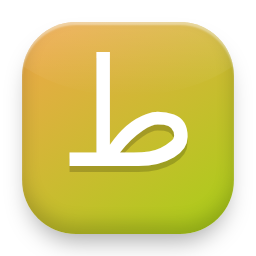
طَاء
Ṭaa · ṭ (heavy t)
មិនមានក្នុងភាសាខ្មែរ
طـ ـطـ ـط
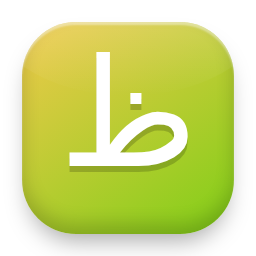
ظَاء
Ẓaa · ẓ (heavy dh)
មិនមានក្នុងភាសាខ្មែរ
ظـ ـظـ ـظ

عَيْن
ʿAyn · ʿ (throat)
មិនមានក្នុងភាសាខ្មែរ
عـ ـعـ ـع
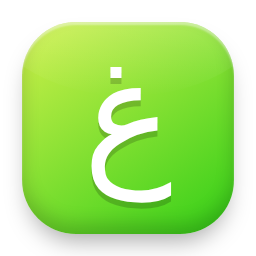
غَيْن
Ghayn · gh
មិនមានក្នុងភាសាខ្មែរ
غـ ـغـ ـغ
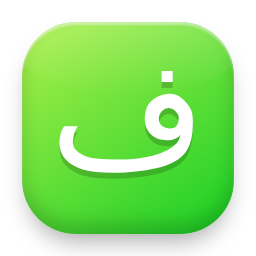
فَاء
Faa · f
សំឡេងដូច ហ្វ
فـ ـفـ ـف
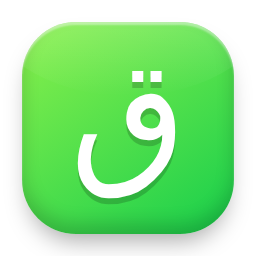
قَاف
Qaaf · q (deep k)
មិនមានក្នុងភាសាខ្មែរ
قـ ـقـ ـق

كَاف
Kaaf · k
សំឡេងដូច ក
كـ ـكـ ـك

لَام
Laam · l
សំឡេងដូច ល
لـ ـلـ ـل

مِيم
Meem · m
សំឡេងដូច ម
مـ ـمـ ـم

نُون
Noon · n
សំឡេងដូច ន
نـ ـنـ ـن

هَاء
Haa · h
សំឡេងដូច ហ
هـ ـهـ ـه
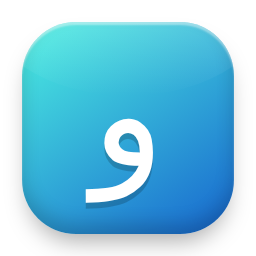
وَاو
Waaw · w / ū
សំឡេងដូច វ
و ـو

يَاء
Yaa · y / ī
សំឡេងដូច យ
يـ ـيـ ـي
Colours in Arabic work like adjectives, so they change with the word they describe. The words below are the masculine forms — for example أَحْمَرُ (aḥmar, red). The feminine form of many colours follows another pattern: red becomes حَمْرَاءُ (ḥamrā').
Tip: Point at things around you and say their colour in Arabic.

أَحْمَرُ
Red
ពណ៌ក្រហម

أَزْرَقُ
Blue
ពណ៌ខៀវ
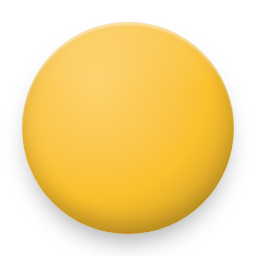
أَصْفَرُ
Yellow
ពណ៌លឿង

أَخْضَرُ
Green
ពណ៌បៃតង

بُرْتُقَالِيٌّ
Orange
ពណ៌ទឹកក្រូច

أُرْجُوَانِيٌّ / بَنَفْسَجِيٌّ
Purple
ពណ៌ស្វាយ

قُرُنْفُلِيٌّ / وَرْدِيٌّ
Pink
ពណ៌ផ្កាឈូក
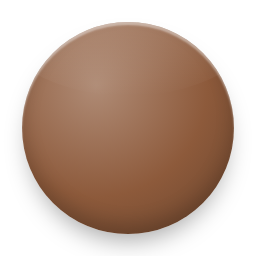
بُنِّيٌّ
Brown
ពណ៌ត្នោត

أَبْيَضُ
White
ពណ៌ស

أَسْوَدُ
Black
ពណ៌ខ្មៅ

رَمَادِيٌّ
Gray
ពណ៌ប្រផេះ

نِيلِيٌّ
Indigo
ពណ៌ខៀវចាស់

سَمَاوِيٌّ
Sky blue
ពណ៌ខៀវខ្ចី
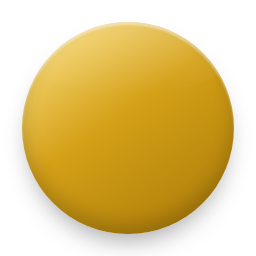
ذَهَبِيٌّ
Gold
ពណ៌មាស

فِضِّيٌّ
Silver
ពណ៌ប្រាក់
Learn to count in Arabic — from zero to ten, then the tens up to one hundred and one thousand. In many Arab countries numbers are also written with Arabic-Indic digits: ٠ ١ ٢ ٣ ٤ ٥ ٦ ٧ ٨ ٩. Each card shows the Arabic digit, the Arabic word, English and Khmer.
Tip: Practise by counting everyday things — stairs, fingers, or money — in Arabic.

صِفْرٌ
Zero
លេខសូន្យ (០)
وَاحِدٌ
One
លេខមួយ (១)
اِثْنَانِ
Two
លេខពីរ (២)
ثَلَاثَةٌ
Three
លេខបី (៣)
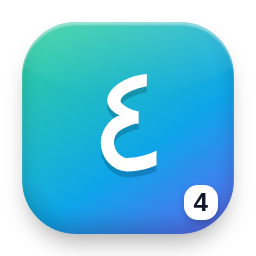
أَرْبَعَةٌ
Four
លេខបួន (៤)
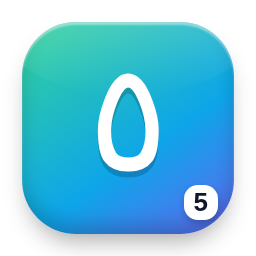
خَمْسَةٌ
Five
លេខប្រាំ (៥)
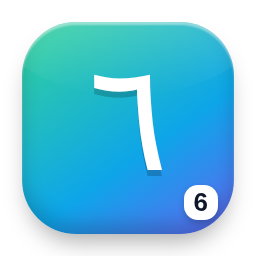
سِتَّةٌ
Six
លេខប្រាំមួយ (៦)

سَبْعَةٌ
Seven
លេខប្រាំពីរ (៧)
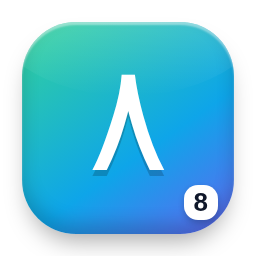
ثَمَانِيَةٌ
Eight
លេខប្រាំបី (៨)
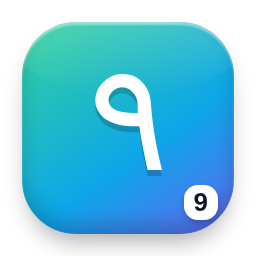
تِسْعَةٌ
Nine
លេខប្រាំបួន (៩)
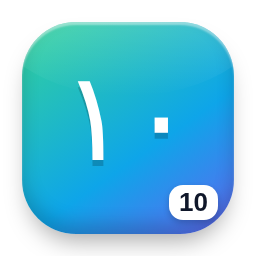
عَشَرَةٌ
Ten
លេខដប់ (១០)
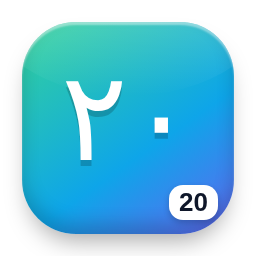
عِشْرُونَ
Twenty
លេខម្ភៃ (២០)
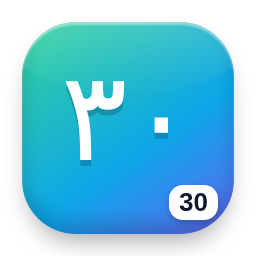
ثَلَاثُونَ
Thirty
លេខសាមសិប (៣០)
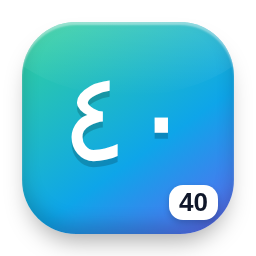
أَرْبَعُونَ
Forty
លេខសែសិប (៤០)
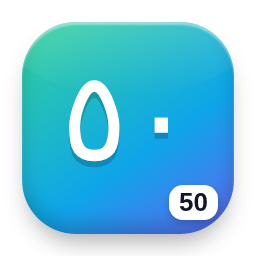
خَمْسُونَ
Fifty
លេខហាសិប (៥០)
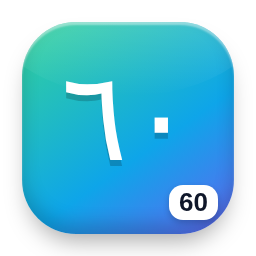
سِتُّونَ
Sixty
លេខហុកសិប (៦០)
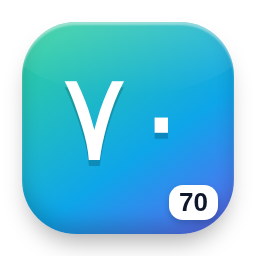
سَبْعُونَ
Seventy
លេខចិតសិប (៧០)
ثَمَانُونَ
Eighty
លេខប៉ែតសិប (៨០)
تِسْعُونَ
Ninety
លេខកៅសិប (៩០)

مِائَةٌ
One hundred
លេខមួយរយ (១០០)
أَلْفٌ
One thousand
លេខមួយពាន់ (១០០០)
The Arabic week starts on Sunday. Most day names come from numbers: الْأَحَد (al-aḥad) means "the first", الْإِثْنَيْن (al-ithnayn) "the second", and so on. Friday, الْجُمُعَة (al-jumuʿah), means "the gathering" — the day of congregational prayer.
Tip: Say today's day in Arabic every morning.
يَوْمُ الْأَحَدِ
Sunday
ថ្ងៃអាទិត្យ
يَوْمُ الِاثْنَيْنِ
Monday
ថ្ងៃច័ន្ទ
يَوْمُ الثُّلَاثَاءِ
Tuesday
ថ្ងៃអង្គារ
يَوْمُ الْأَرْبِعَاءِ
Wednesday
ថ្ងៃពុធ
يَوْمُ الْخَمِيسِ
Thursday
ថ្ងៃព្រហស្បតិ៍
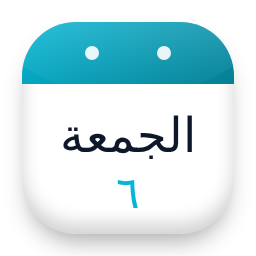
يَوْمُ الْجُمُعَةِ
Friday
ថ្ងៃសុក្រ
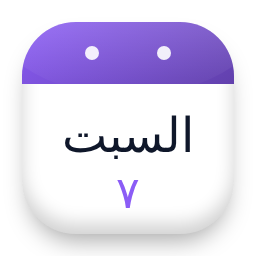
يَوْمُ السَّبْتِ
Saturday
ថ្ងៃសៅរ៍
The Islamic (Hijri) calendar has 12 months that follow the moon. Each month has 29 or 30 days, so the Hijri year is about 11 days shorter than the solar year and the months move through the seasons. Ramadan is the 9th month and Dhu al-Hijjah, the month of Hajj, is the 12th.
Tip: Learn the months in order — they are always listed from Muharram to Dhu al-Hijjah.
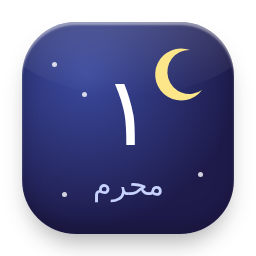
شَهْرُ مُحَرَّمٍ
Muharram
ខែមូហារ៉ម
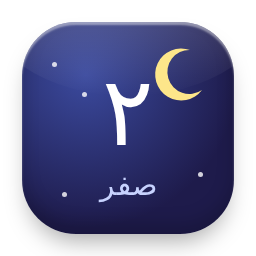
شَهْرُ صَفَرٍ
Safar
ខែសាហ្វើរ
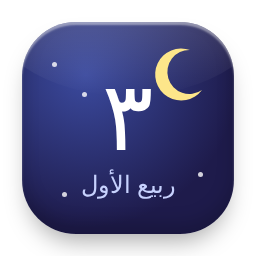
شَهْرُ رَبِيعٍ الْأَوَّلِ
Rabiʿ al-Awwal
ខែរ៉ាពីអុលអាវ៉ាល់
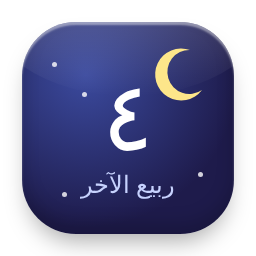
شَهْرُ رَبِيعٍ الْآخِرِ
Rabiʿ al-Akhir (al-Thani)
ខែរ៉ាពីអុលអាឃៀរ
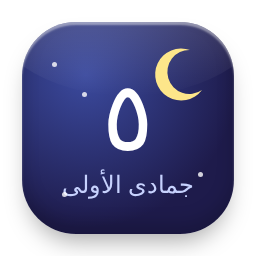
شَهْرُ جُمَادَى الْأُولَى
Jumada al-Ula
ខែចាម៉ាទិលអ៊ូឡា
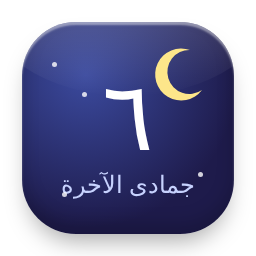
شَهْرُ جُمَادَى الْآخِرَةِ
Jumada al-Akhirah
ខែចាម៉ាទិលអាឃីរ៉ោះ
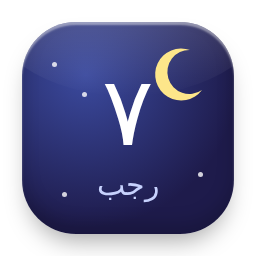
شَهْرُ رَجَبٍ
Rajab
ខែរ៉ាជាប់
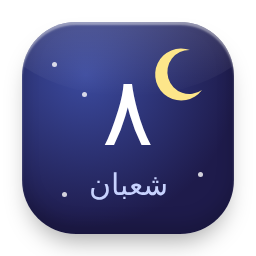
شَهْرُ شَعْبَانَ
Shaʿban
ខែហ្សាក់ប៉ាន
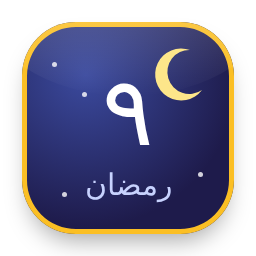
شَهْرُ رَمَضَانَ
Ramadan
ខែរ៉ម៉ាឌន
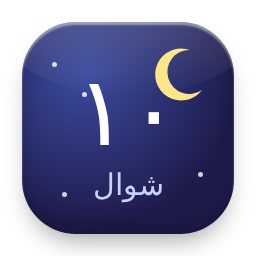
شَهْرُ شَوَّالٍ
Shawwal
ខែហ្សាវ៉ាល់
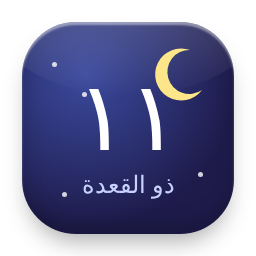
شَهْرُ ذِي الْقَعْدَةِ
Dhu al-Qaʿdah
ខែហ្សុលកក់ដះ
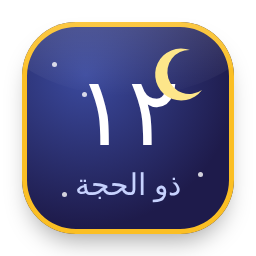
شَهْرُ ذِي الْحِجَّةِ
Dhu al-Hijjah
ខែហ្សុលហិជ្ជះ
The Arab world uses two sets of names for the solar months. Egypt, North Africa and the Gulf use names taken from European languages — يَنَايِر, فِبْرَايِر, مَارِس… Syria, Lebanon, Jordan, Palestine and Iraq use old Syriac names — كَانُونُ الثَّانِي, شُبَاط, آذَار… Each card shows both: the first name, and the Levant name underneath.
Tip: Say your birthday month in Arabic: وُلِدْتُ فِي شَهْرِ ... (I was born in the month of …).
يَنَايِر
كَانُونُ الثَّانِي
January
ខែមករា
فِبْرَايِر
شُبَاط
February
ខែកុម្ភៈ
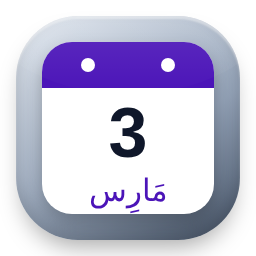
مَارِس
آذَار
March
ខែមីនា
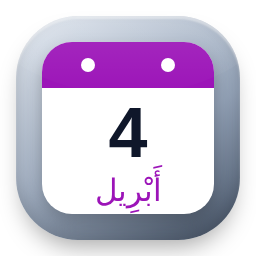
أَبْرِيل
نَيْسَان
April
ខែមេសា
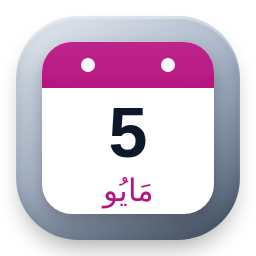
مَايُو
أَيَّار
May
ខែឧសភា
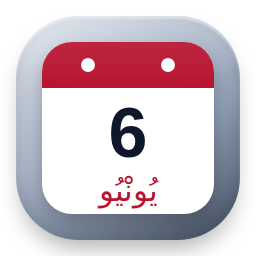
يُونْيُو
حَزِيرَان
June
ខែមិថុនា
يُولْيُو
تَمُّوز
July
ខែកក្កដា
أُغُسْطُس
آب
August
ខែសីហា
سِبْتَمْبِر
أَيْلُول
September
ខែកញ្ញា
أُكْتُوبَر
تِشْرِينُ الأَوَّل
October
ខែតុលា
نُوفَمْبِر
تِشْرِينُ الثَّانِي
November
ខែវិច្ឆិកា
دِيسَمْبِر
كَانُونُ الأَوَّل
December
ខែធ្នូ
The four seasons usually take الـ (“the”): الرَّبِيعُ, الصَّيْفُ, الخَرِيفُ, الشِّتَاءُ. Cambodia has two main seasons, the rainy season and the dry season, so this lesson includes those too, plus everyday weather words. To talk about today’s weather say الجَوُّ حَارٌّ اليَوْمَ — the weather is hot today (ថ្ងៃនេះអាកាសធាតុក្ដៅ).
Tip: Look outside each morning and describe the weather with one of these words.
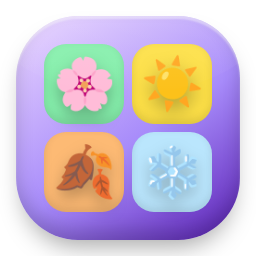
فَصْلٌ
Season
រដូវ
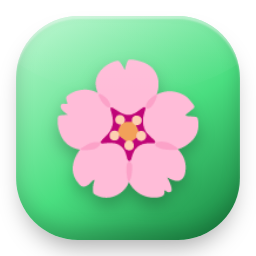
الرَّبِيعُ
Spring
និទាឃរដូវ (រដូវផ្ការីក)

الصَّيْفُ
Summer
គិម្ហរដូវ (រដូវក្ដៅ)
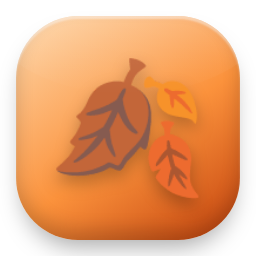
الخَرِيفُ
Autumn
សរទរដូវ (រដូវស្លឹកឈើជ្រុះ)

الشِّتَاءُ
Winter
រដូវរងា

مَوْسِمُ الأَمْطَارِ
Rainy season
រដូវវស្សា
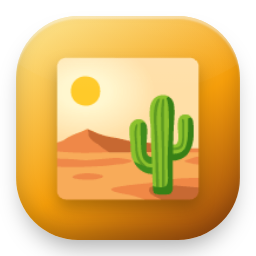
مَوْسِمُ الجَفَافِ
Dry season
រដូវប្រាំង

طَقْسٌ
Weather
អាកាសធាតុ
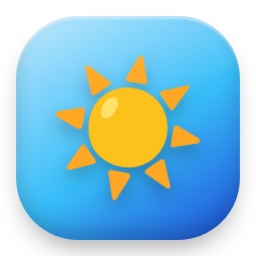
شَمْسٌ
Sun
ព្រះអាទិត្យ

سَحَابَةٌ
Cloud
ពពក

مَطَرٌ
Rain
ភ្លៀង

رِيحٌ
Wind
ខ្យល់

عَاصِفَةٌ
Storm
ព្យុះ

رَعْدٌ
Thunder
ផ្គរ

بَرْقٌ
Lightning
ផ្លេកបន្ទោរ

قَوْسُ قُزَحَ
Rainbow
ឥន្ទធនូ

ثَلْجٌ
Snow
ព្រិល

ضَبَابٌ
Fog
អ័ព្ទ

حَارٌّ
Hot
ក្ដៅ

بَارِدٌ
Cold
ត្រជាក់ / រងា

دَرَجَةُ الحَرَارَةِ
Temperature
សីតុណ្ហភាព
Arabic nouns are either masculine or feminine. Many feminine words end in ـةٌ (tā' marbūṭah). Some animals even have different words for male and female, like جَمَلٌ (jamal, male camel) and نَاقَةٌ (nāqah, female camel).
Tip: Group the animals you learn: farm animals, sea animals and wild animals.
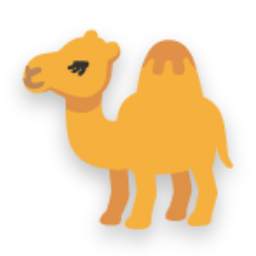
نَاقَةٌ
Camel (female)
អូដ្ឋញី
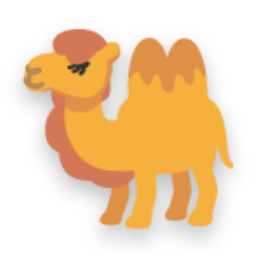
جَمَلٌ
Camel (male)
អូដ្ឋឈ្មោល

بَقَرَةٌ
Cow
មេគោ

ثَوْرٌ
Bull / Ox
គោឈ្មោល

عِجْلٌ
Calf
កូនគោ

جَامُوسٌ
Water buffalo
ក្របី
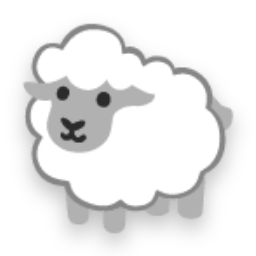
خَرُوفٌ
Sheep
ចៀម
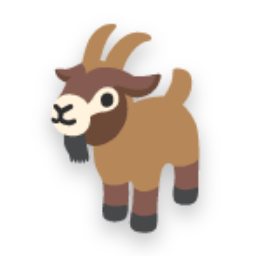
مَاعِزٌ
Goat
ពពែ
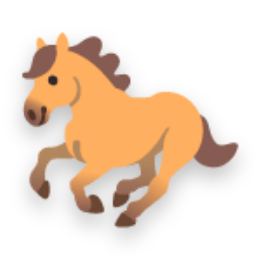
حِصَانٌ
Horse
សេះ
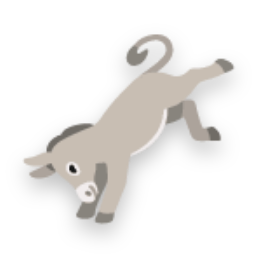
حِمَارٌ
Donkey
លា
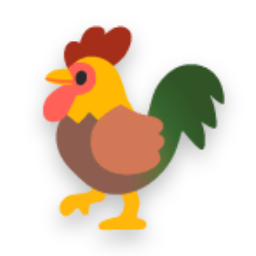
دِيكٌ
Rooster
មាន់ឈ្មោល
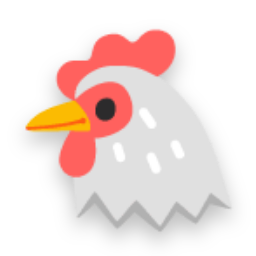
دَجَاجَةٌ
Hen
មេមាន់
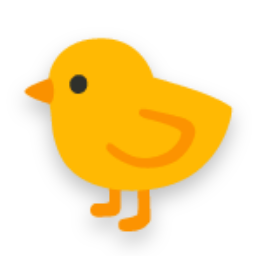
كَتْكُوتٌ
Chick
កូនមាន់
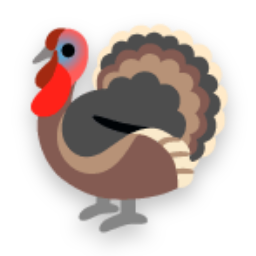
دِيكٌ رُومِيٌّ
Turkey
មាន់បារាំង
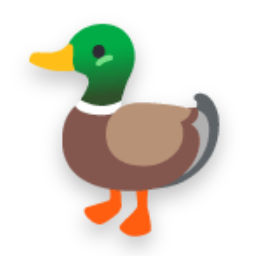
بَطَّةٌ
Duck
ទា
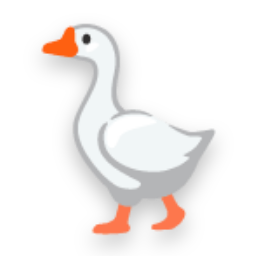
إِوَزَّةٌ
Goose
ក្ងាន
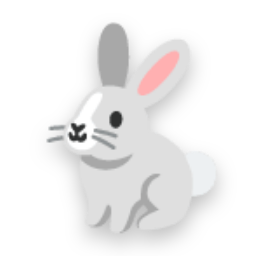
أَرْنَبٌ
Rabbit
ទន្សាយ
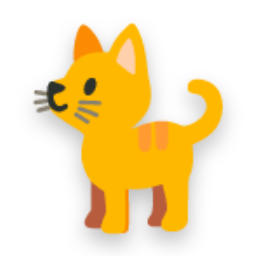
قِطَّةٌ
Cat
ឆ្មា

كَلْبٌ
Dog
ឆ្កែ

أَسَدٌ
Lion
តោ

نَمِرٌ
Tiger
ខ្លា

فِيلٌ
Elephant
ដំរី

دُبٌّ
Bear
ខ្លាឃ្មុំ

قِرْدٌ
Monkey
ស្វា

غُورِيلَّا
Gorilla
ស្វាហ្គោរីឡា

ثَعْلَبٌ
Fox
កញ្ជ្រោង

ذِئْبٌ
Wolf
ចចក

حِمَارٌ وَحْشِيٌّ
Zebra
សេះបង្កង់
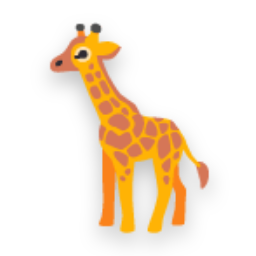
زَرَافَةٌ
Giraffe
សត្វហ្សីរ៉ាហ្វ

ثُعْبَانٌ / حَيَّةٌ
Snake
ពស់

تِمْسَاحٌ
Crocodile
ក្រពើ

سُلَحْفَاةٌ
Turtle
អណ្ដើក

ضِفْدَعٌ
Frog
កង្កែប

فَأْرٌ
Mouse
កណ្ដុរ

نَسْرٌ
Eagle
ឥន្ទ្រី

بُومَةٌ
Owl
មៀម
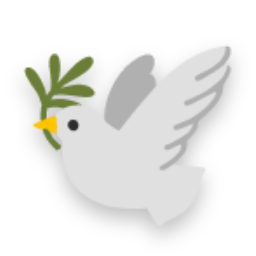
حَمَامَةٌ
Dove / Pigeon
សត្វព្រាប

بَبَّغَاءُ
Parrot
សេក

نَحْلَةٌ
Bee
ឃ្មុំ

فَرَاشَةٌ
Butterfly
មេអំបៅ
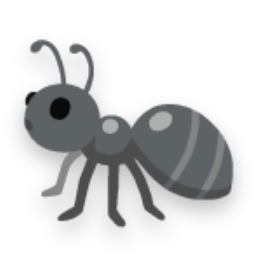
نَمْلَةٌ
Ant
ស្រមោច

سَمَكَةٌ
Fish
ត្រី

قِرْشٌ
Shark
ត្រីឆ្លាម

حُوتٌ
Whale
ត្រីបាឡែន

دُلْفِينٌ
Dolphin
ផ្សោត

أُخْطُبُوطٌ
Octopus
មឹកពីងពាង

حَبَّارٌ
Squid
មឹក

سَرَطَانٌ
Crab
ក្ដាម
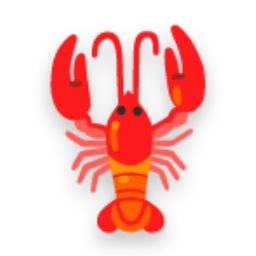
جَرَادُ الْبَحْرِ
Lobster
បង្កងសមុទ្រ
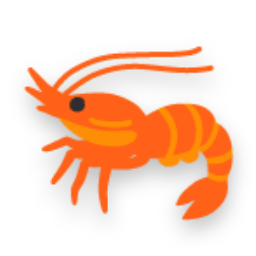
رُوبِيَانٌ / جَمْبَرِيٌّ
Shrimp
បង្គា

مَحَارَةٌ
Oyster
គ្រំ
Look at the ending ـةٌ: تُفَّاحَةٌ (tuffāḥah) means one apple, while تُفَّاحٌ (tuffāḥ) means apples in general. Many fruit words in Arabic work this way.
Tip: Next time you eat a fruit, say its Arabic name.

تُفَّاحَةٌ
Apple
ផ្លែប៉ោម

تُفَّاحَةٌ خَضْرَاءُ
Green apple
ផ្លែប៉ោមបៃតង

مَوْزَةٌ
Banana
ផ្លែចេក
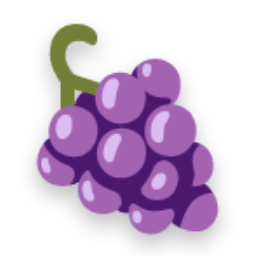
عِنَبٌ
Grapes
ផ្លែទំពាំងបាយជូរ
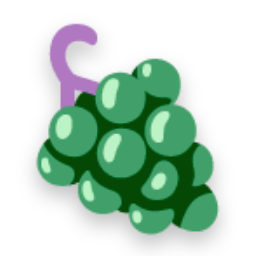
عِنَبٌ أَبْيَضُ
Green grapes
ទំពាំងបាយជូរបៃតង

بِطِّيخَةٌ
Watermelon
ផ្លែឪឡឹក
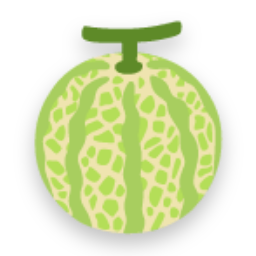
شَمَّامٌ
Melon
ផ្លែត្រសក់ស្រូវ
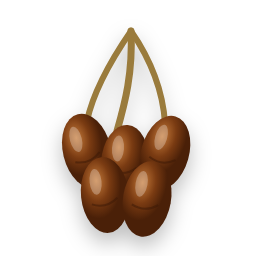
تَمْرٌ
Dates
ផ្លែល្មើ
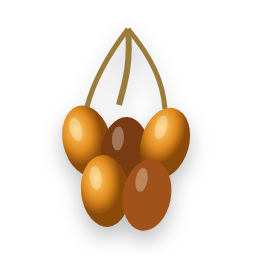
رُطَبٌ
Fresh dates
ផ្លែល្មើស្រស់
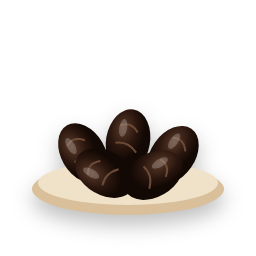
تَمْرُ العَجْوَةِ
Ajwa dates
ផ្លែល្មើអាជ្វា
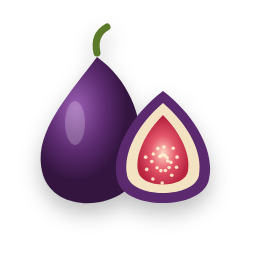
تِينٌ
Fig
ផ្លែល្វា
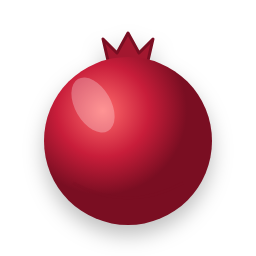
رُمَّانٌ
Pomegranate
ផ្លែទទឹម
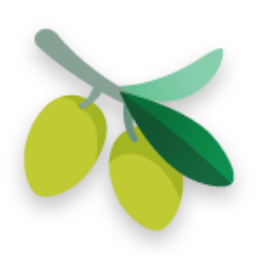
زَيْتُونٌ
Olives
ផ្លែអូលីវ

أَنَانَاسٌ
Pineapple
ផ្លែម្នាស់

مَانْجُو
Mango
ផ្លែស្វាយ

جَوْزُ الْهِنْدِ
Coconut
ផ្លែដូង

فَرَاوِلَةٌ
Strawberry
ផ្លែស្ត្របឺរី

كَرَزٌ
Cherries
ផ្លែឆឺរី

خَوْخٌ
Peach
ផ្លែប៉ែស
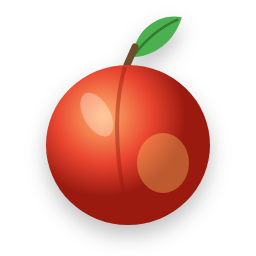
نِكْتَارِين
Nectarine
ផ្លែនិចតារីន
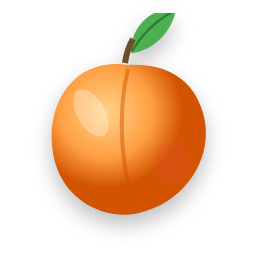
مِشْمِشٌ
Apricot
ផ្លែអាព្រីកូ
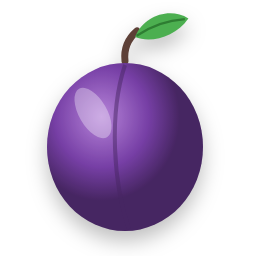
بَرْقُوقٌ
Plum
ផ្លែព្រូន
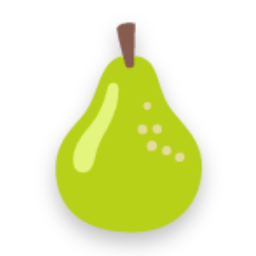
كُمَّثْرَى
Pear
ផ្លែសារី
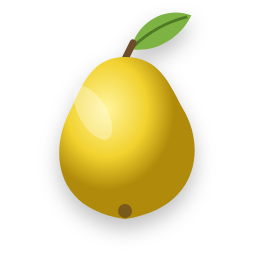
سَفَرْجَلٌ
Quince
ផ្លែគ្វីន
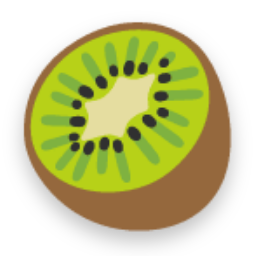
كِيوِي
Kiwi
ផ្លែគីវី

أَفُوكَادُو
Avocado
ផ្លែប័រ
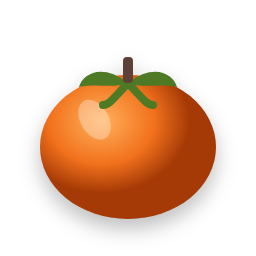
كَاكِي
Persimmon
ផ្លែភើស៊ីមិន
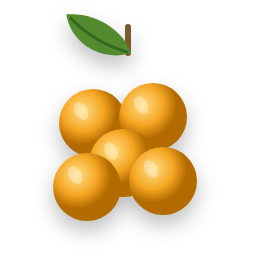
أَكِي دُنْيَا
Loquat
ផ្លែឡូក្វាត
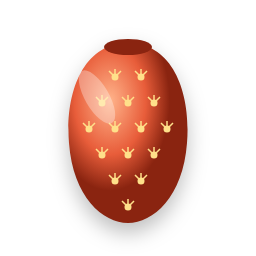
تِينٌ شَوْكِيٌّ
Prickly pear
ផ្លែល្វាបន្លា

خَرُّوبٌ
Carob
ផ្លែខារ៉ុប
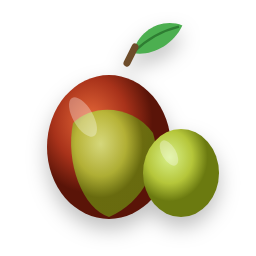
عُنَّابٌ
Jujube
ផ្លែពុទ្រា

دُورِيَان
Durian
ផ្លែទុរេន
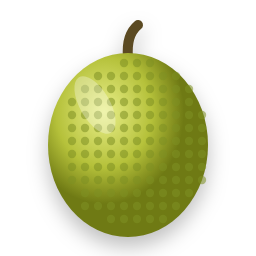
جَاكْفْرُوت
Jackfruit
ផ្លែខ្នុរ

رَامْبُوتَان
Rambutan
ផ្លែសាវម៉ាវ
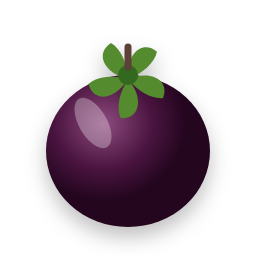
مَانْجُوسْتِين
Mangosteen
ផ្លែមង្ឃុត
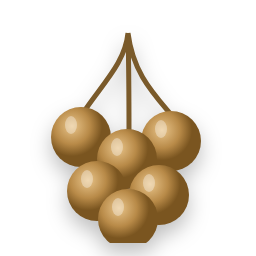
لُونْجَان
Longan
ផ្លែមៀន
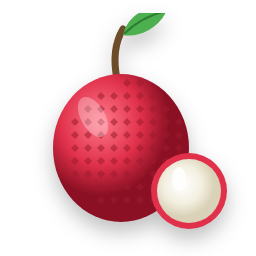
لِيتْشِي
Lychee
ផ្លែគុលែន
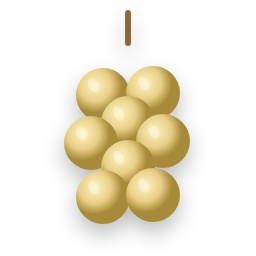
لَانْسَات
Langsat
ផ្លែឡងកុង
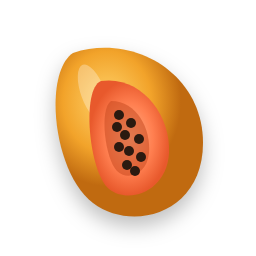
بَابَايَا
Papaya
ផ្លែល្ហុង
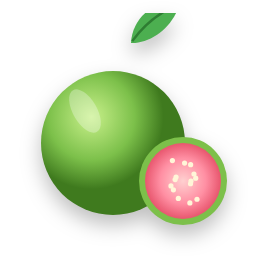
جَوَافَةٌ
Guava
ផ្លែត្របែក
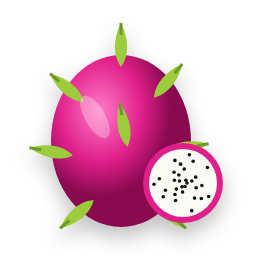
فَاكِهَةُ التِّنِّينِ
Dragon fruit
ផ្លែស្រកានាគ

تَمْرٌ هِنْدِيٌّ
Tamarind
ផ្លែអម្ពិល
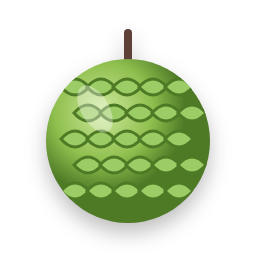
قِشْطَةٌ
Custard apple
ផ្លែទៀប
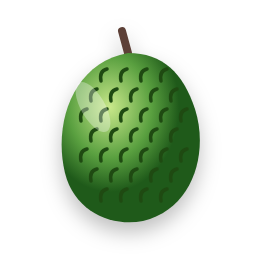
قِشْطَةٌ شَائِكَةٌ
Soursop
ផ្លែទៀបបារាំង
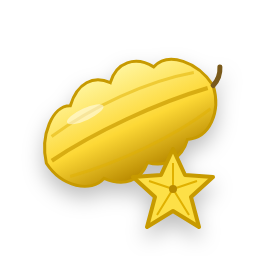
فَاكِهَةُ النَّجْمَةِ
Starfruit
ផ្លែស្ពឺ
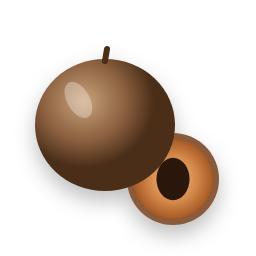
سَابُوتَا
Sapodilla
ផ្លែល្មុត
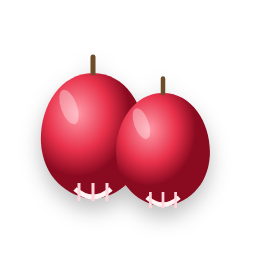
تُفَّاحُ الشَّمْعِ
Wax apple
ផ្លែជម្ពូ
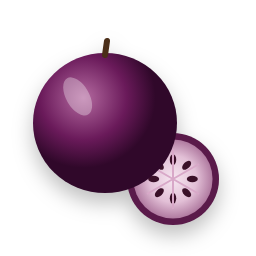
تُفَّاحُ النَّجْمَةِ
Star apple (milk fruit)
ផ្លែទឹកដោះគោ
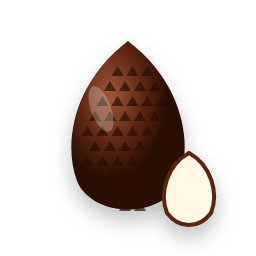
فَاكِهَةُ الثُّعْبَانِ
Snake fruit
ផ្លែរកាំ
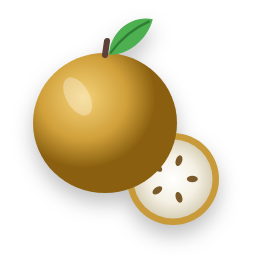
سَانْتُول
Santol
ផ្លែកំពីងរាជ
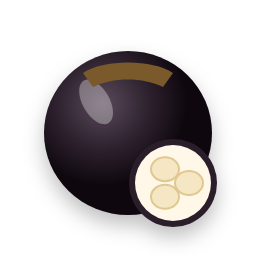
ثَمَرُ نَخْلَةِ السُّكَّرِ
Sugar palm fruit
ផ្លែត្នោត
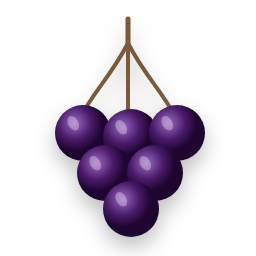
جَامُون
Java plum
ផ្លែព្រីង

أَمْلَجٌ
Indian gooseberry
ផ្លែកន្ទួតព្រៃ
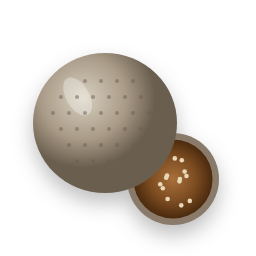
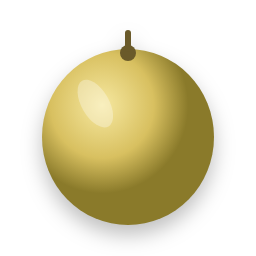
تُفَّاحُ الخَشَبِ
Wood apple
ផ្លែក្រសាំង
سَفَرْجَلٌ هِنْدِيٌّ
Bael fruit
ផ្លែព្នៅ
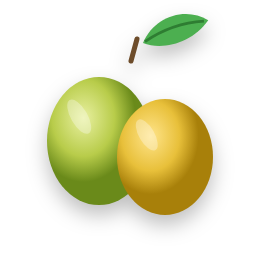
أَمْبَرِيلَّا
Ambarella
ផ្លែម្កាក់
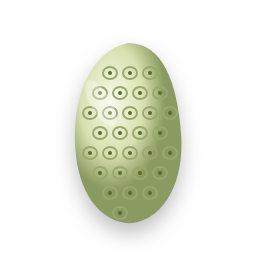
نُونِي
Noni
ផ្លែញរ
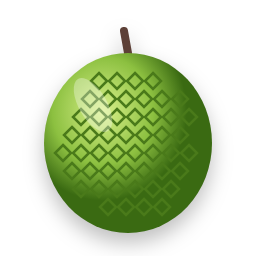
فَاكِهَةُ الخُبْزِ
Breadfruit
ផ្លែសាកេ
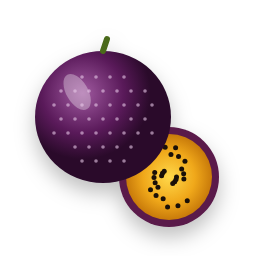
فَاكِهَةُ العَاطِفَةِ
Passion fruit
ផ្លែប៉ាស្យុង
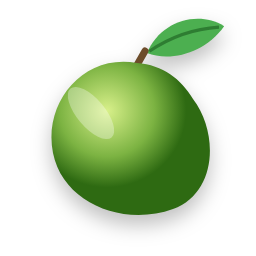
مَانْجُو خَضْرَاءُ
Green mango
ផ្លែស្វាយខ្ចី
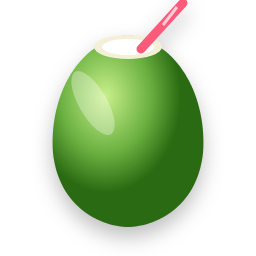
جَوْزُ هِنْدٍ أَخْضَرُ
Young coconut
ផ្លែដូងខ្ចី
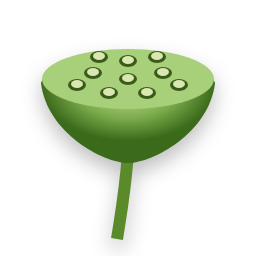
ثَمَرَةُ اللُّوتَسِ
Lotus seed pod
ផ្លែឈូក
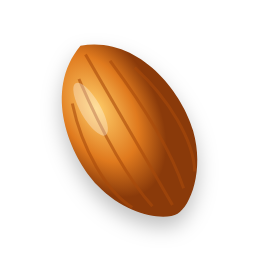
كَاكَاو
Cacao pod
ផ្លែកាកាវ
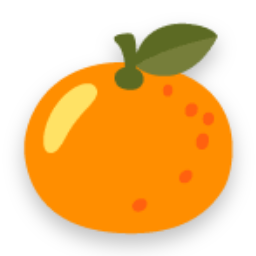
بُرْتُقَالَةٌ
Orange
ផ្លែក្រូច
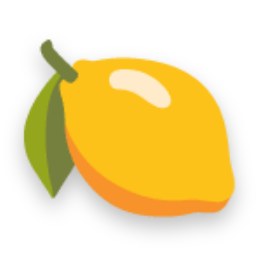
لَيْمُونَةٌ
Lemon
ផ្លែក្រូចឆ្មា

لَيْمُونٌ أَخْضَرُ
Lime
ផ្លែក្រូចឆ្មារបៃតង
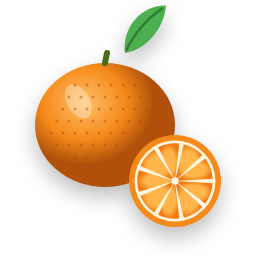
يُوسُفِيٌّ
Tangerine / Mandarin
ផ្លែក្រូចម៉ង់ដារីន
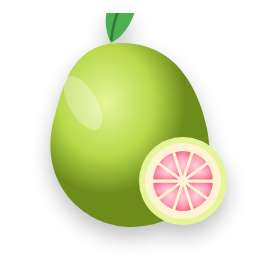
بُومَلِي
Pomelo
ផ្លែក្រូចថ្លុង
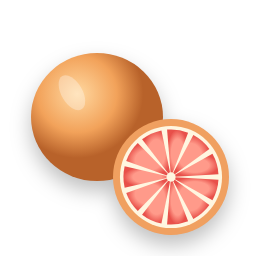
جْرِيب فْرُوت
Grapefruit
ផ្លែហ្គ្រេបហ្វ្រូត
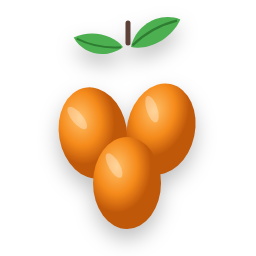
كُمْكُوَات
Kumquat
ផ្លែគុមក្វាត
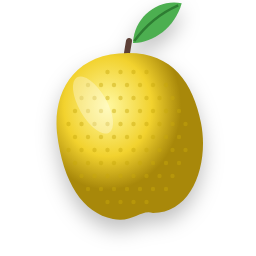
أُتْرُجٌّ
Citron
ផ្លែក្រូចអាត្រុជ
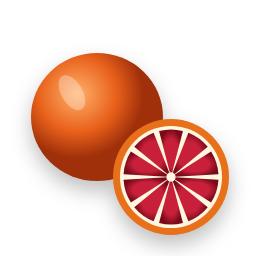
بُرْتُقَالُ الدَّمِ
Blood orange
ផ្លែក្រូចសាច់ក្រហម
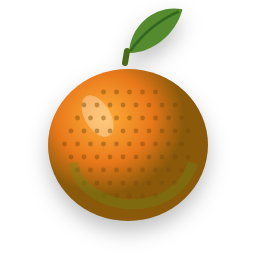
نَارَنْجٌ
Bitter orange
ផ្លែក្រូចជូរ

تُوتٌ أَزْرَقُ
Blueberries
ផ្លែប៊្លូបឺរី
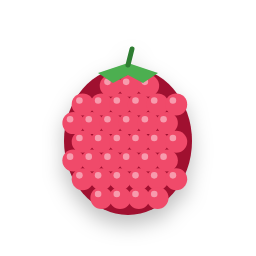
تُوتُ العُلَّيْقِ
Raspberry
ផ្លែរ៉ាស្បឺរី
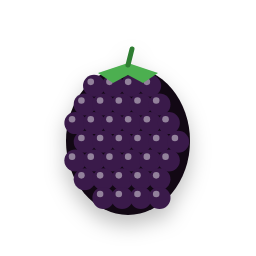
تُوتٌ أَسْوَدُ
Blackberry
ផ្លែប្លែកបឺរី
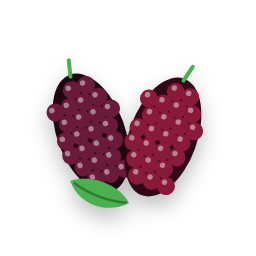
تُوتٌ
Mulberry
ផ្លែមន
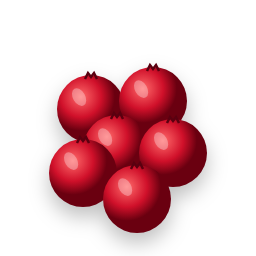
تُوتٌ بَرِّيٌّ
Cranberry
ផ្លែក្រែនបឺរី
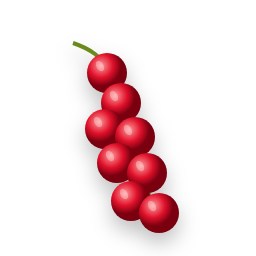
كِشْمِشٌ أَحْمَرُ
Red currant
ផ្លែខឺរ៉ិនក្រហម
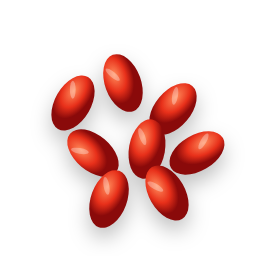
غُوجِي
Goji berries
ផ្លែហ្គូជី
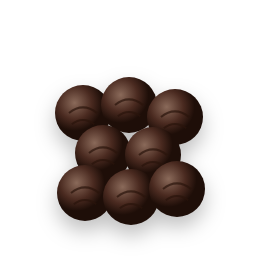
زَبِيبٌ
Raisins
ទំពាំងបាយជូរក្រៀម
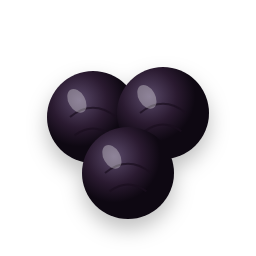
بَرْقُوقٌ مُجَفَّفٌ
Prunes
ផ្លែព្រូនក្រៀម
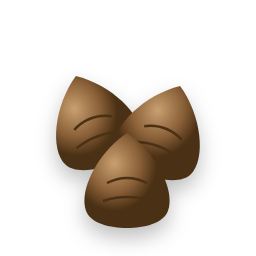
تِينٌ مُجَفَّفٌ
Dried figs
ផ្លែល្វាក្រៀម
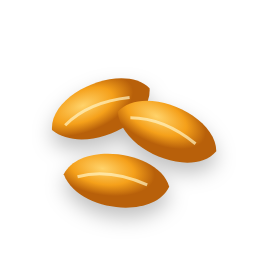
مَانْجُو مُجَفَّفٌ
Dried mango
ស្វាយក្រៀម
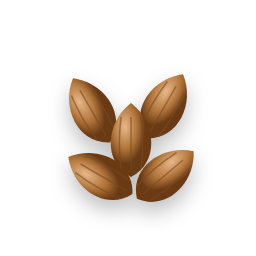
لَوْزٌ
Almond
គ្រាប់អាល់ម៉ុន
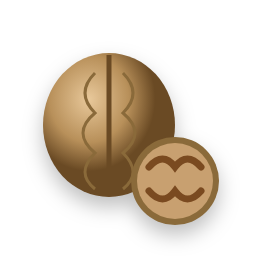
جَوْزٌ
Walnut
គ្រាប់វ៉ាល់ណាត់
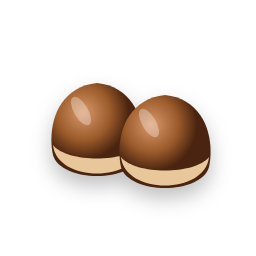
بُنْدُقٌ
Hazelnut
គ្រាប់ហាហ្សែលណាត់
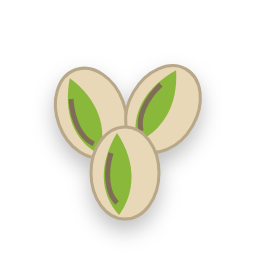
فُسْتُقٌ
Pistachio
គ្រាប់ភីស្តាឈីយ៉ូ

فُولٌ سُودَانِيٌّ
Peanut
សណ្ដែកដី
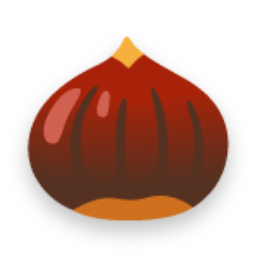
كَسْتَنَاءُ
Chestnut
គ្រាប់ចេសណាត់
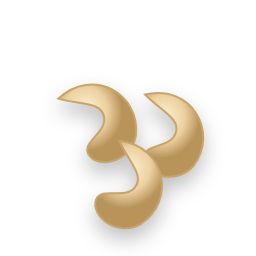
كَاجُو
Cashew
គ្រាប់ស្វាយចន្ទី
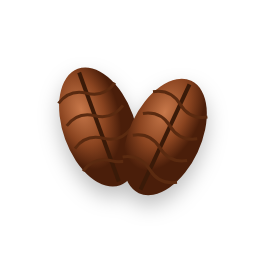
بِيكَان
Pecan
គ្រាប់ពីកាន
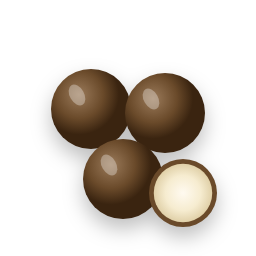
مَكَادَامِيَا
Macadamia
គ្រាប់ម៉ាកាដាមៀ
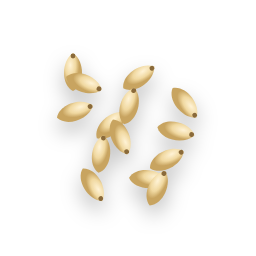
صَنَوْبَرٌ
Pine nuts
គ្រាប់ស្រល់
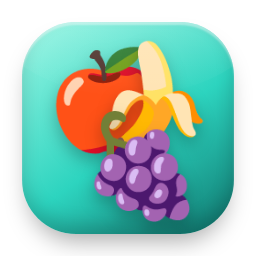
فَاكِهَةٌ
Fruit
ផ្លែឈើ

نَوَاةٌ
Seed / Stone
គ្រាប់

قِشْرٌ
Peel
សំបក
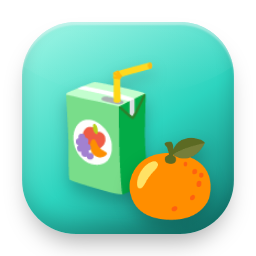
عَصِيرٌ
Juice
ទឹកផ្លែឈើ

سَلَطَةُ فَوَاكِهَ
Fruit salad
សាឡាដផ្លែឈើ
نَاضِجٌ
Ripe
ទុំ
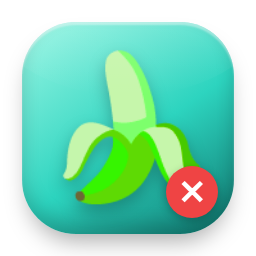
غَيْرُ نَاضِجٍ
Unripe
ខ្ចី

حُلْوٌ
Sweet
ផ្អែម
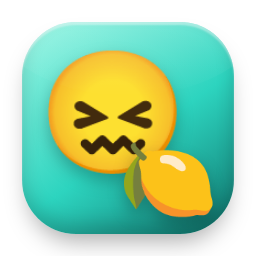
حَامِضٌ
Sour
ជូរ
Most body parts that come in pairs are feminine in Arabic — عَيْنٌ, أُذُنٌ, يَدٌ, رِجْلٌ — even without the ending ـةٌ. For two of something, Arabic adds the dual ending ـَانِ: عَيْنَانِ (ʿaynān) means two eyes, يَدَانِ (yadān) means two hands.
Tip: Touch each part of your body and say its Arabic name out loud.

رَأْسٌ
Head
ក្បាល

وَجْهٌ
Face
មុខ

شَعْرٌ
Hair
សក់

جَبْهَةٌ
Forehead
ថ្ងាស

حَاجِبٌ
Eyebrow
ចិញ្ចើម

عَيْنٌ
Eye
ភ្នែក

أُذُنٌ
Ear
ត្រចៀក

أَنْفٌ
Nose
ច្រមុះ

خَدٌّ
Cheek
ថ្ពាល់

فَمٌ
Mouth
មាត់

شَفَةٌ
Lip
បបូរមាត់

سِنٌّ
Tooth
ធ្មេញ

لِسَانٌ
Tongue
អណ្ដាត

ذَقْنٌ
Chin
ចង្កា

لِحْيَةٌ
Beard
ពុកចង្កា

رَقَبَةٌ
Neck
ក

كَتِفٌ
Shoulder
ស្មា
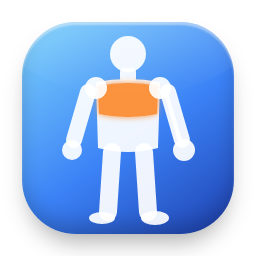
صَدْرٌ
Chest
ទ្រូង
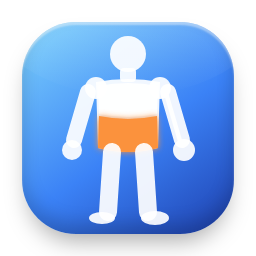
بَطْنٌ
Stomach / Belly
ពោះ
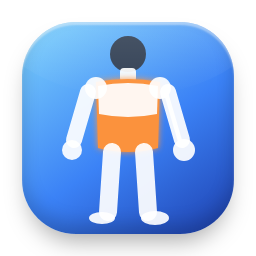
ظَهْرٌ
Back
ខ្នង

ذِرَاعٌ
Arm
ដៃ (កំភួនដៃ)

مِرْفَقٌ
Elbow
កែងដៃ

يَدٌ
Hand
បាតដៃ / ដៃ

إِصْبَعٌ
Finger
ម្រាមដៃ
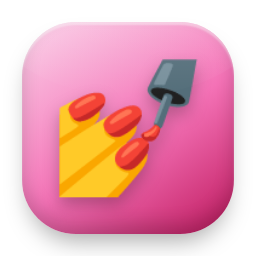
ظُفْرٌ
Nail
ក្រចក
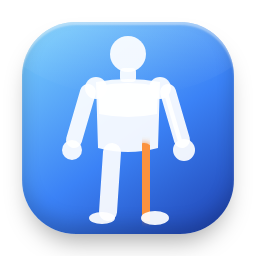
رِجْلٌ
Leg
ជើង

رُكْبَةٌ
Knee
ជង្គង់

قَدَمٌ
Foot
បាតជើង

دِمَاغٌ
Brain
ខួរក្បាល

قَلْبٌ
Heart
បេះដូង

رِئَةٌ
Lung
សួត

عَظْمٌ
Bone
ឆ្អឹង

دَمٌ
Blood
ឈាម
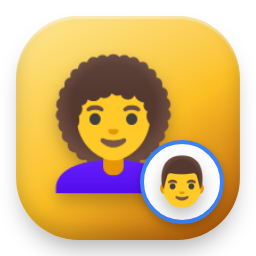
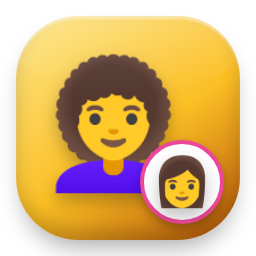
Arabic has different words for uncles and aunts on the father’s side and the mother’s side: عَمٌّ / عَمَّةٌ are your father’s brother and sister, خَالٌ / خَالَةٌ are your mother’s brother and sister. The small badge on those pictures shows the side (blue = father, pink = mother). For most people and jobs, add ـةٌ for a woman: مُعَلِّمٌ → مُعَلِّمَةٌ (female teacher), طَالِبٌ → طَالِبَةٌ.
Tip: In the family pictures, the big person with the glow is the word — the small one shows who they are related to.
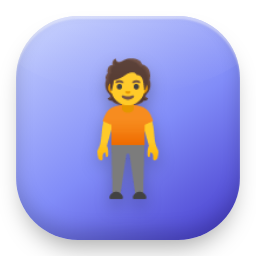
إِنْسَانٌ
Person / Human
មនុស្ស

رَجُلٌ
Man
បុរស

اِمْرَأَةٌ
Woman
ស្ត្រី

وَلَدٌ
Boy
ក្មេងប្រុស
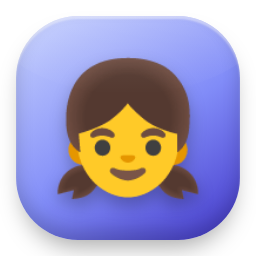
بِنْتٌ
Girl
ក្មេងស្រី

طِفْلٌ
Child
កូនក្មេង

رَضِيعٌ
Baby
ទារក

شَابٌّ
Young man
យុវជន
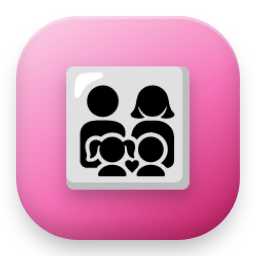
أُسْرَةٌ
Family
គ្រួសារ
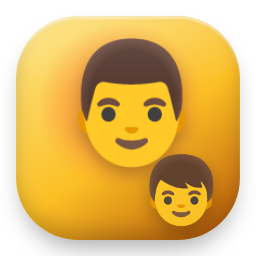
أَبٌ
Father
ឪពុក
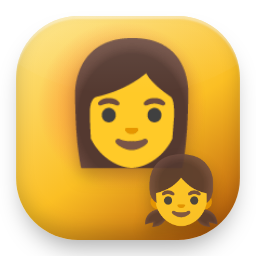
أُمٌّ
Mother
ម្ដាយ
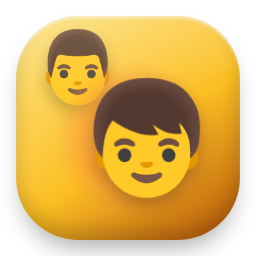
اِبْنٌ
Son
កូនប្រុស
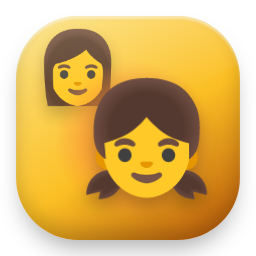
اِبْنَةٌ
Daughter
កូនស្រី

أَخٌ
Brother
បងប្រុស / ប្អូនប្រុស

أُخْتٌ
Sister
បងស្រី / ប្អូនស្រី
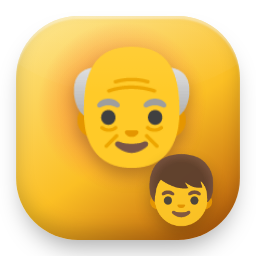
جَدٌّ
Grandfather
ជីតា
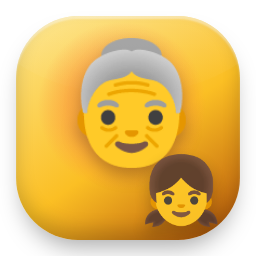
جَدَّةٌ
Grandmother
ជីដូន

عَمٌّ
Uncle (father’s brother)
ពូ / អ៊ំ (ខាងឪពុក)
عَمَّةٌ
Aunt (father’s sister)
មីង / អ៊ំស្រី (ខាងឪពុក)

خَالٌ
Uncle (mother’s brother)
ពូ / អ៊ំ (ខាងម្ដាយ)
خَالَةٌ
Aunt (mother’s sister)
មីង / អ៊ំស្រី (ខាងម្ដាយ)

زَوْجٌ
Husband
ប្ដី

زَوْجَةٌ
Wife
ប្រពន្ធ

صَدِيقٌ
Friend
មិត្តភក្តិ

جَارٌ
Neighbour
អ្នកជិតខាង

مُعَلِّمٌ
Teacher
គ្រូបង្រៀន

طَالِبٌ
Student
សិស្ស / និស្សិត

طَبِيبٌ
Doctor
គ្រូពេទ្យ

فَلَّاحٌ
Farmer
កសិករ

طَبَّاخٌ
Cook
ចុងភៅ
A free Arabic learning website for Khmer speakers.
$2.99 / month
Thanks! We've received your payment notice for . Your VIP status will be activated within 24 hours.
You'll need to sign in again to keep learning.